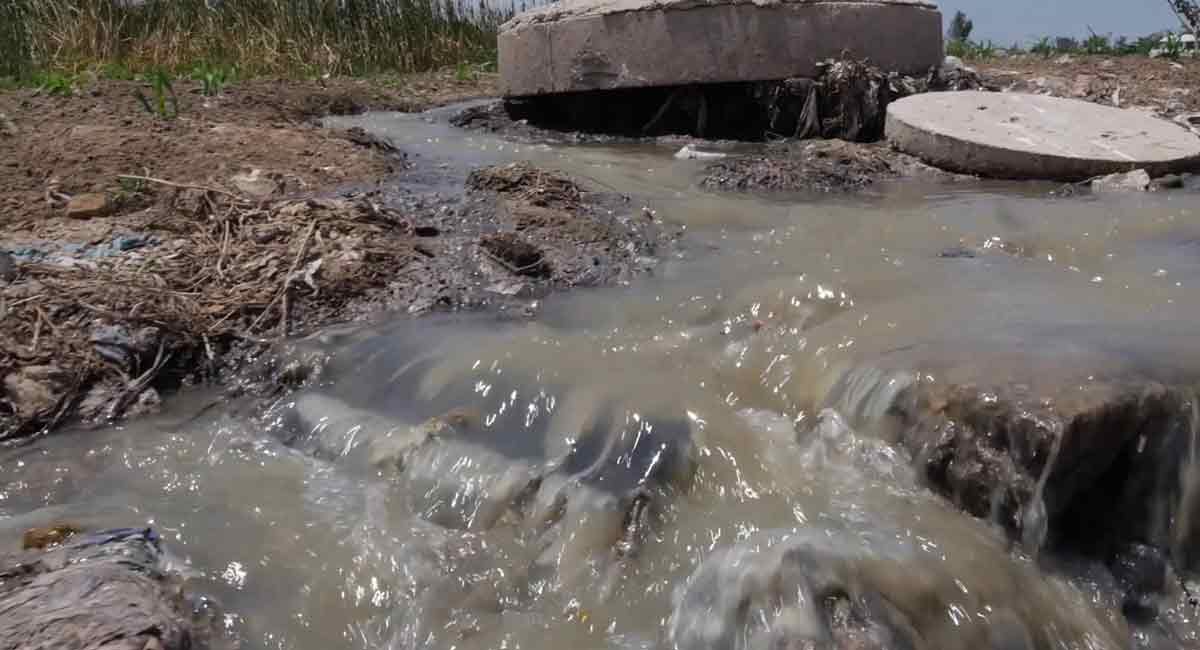
Disturbing scenes emerging from Chitungwiza have laid bare a growing public health crisis, with raw sewage reportedly flowing dangerously close to community water sources. The visual evidence paints a troubling picture of burst sewer pipes and blocked drainage systems allowing untreated waste to seep into the ground — directly threatening the groundwater that thousands of residents depend on daily.
In several areas, including Zengeza and St. Mary’s, ageing infrastructure has failed to cope with the town’s expanding population. Designed decades ago for a much smaller community, the sewage system is now overwhelmed, resulting in frequent pipe bursts and overflowing drains. In some cases, sewage is seen pooling around boreholes or flowing near shallow wells used for drinking and household needs.
Environmental and health experts warn that the situation poses a severe contamination risk. With a relatively high water table in parts of Chitungwiza, untreated waste can easily infiltrate underground water sources. When sewage enters the soil, it introduces harmful pathogens such as E. coli and other bacteria that can trigger outbreaks of cholera, typhoid, and other waterborne diseases — illnesses that have historically affected communities in the region.
Residents say the problem is not new, but the frequency and severity of sewer bursts have increased in recent months. Many families rely on boreholes and shallow wells as primary water sources, especially during municipal supply disruptions, making the proximity of sewage even more alarming.
Public health advocates are urging immediate intervention to repair damaged sewer lines, unblock drains, and implement long-term infrastructure upgrades. Without swift action, experts caution that Chitungwiza could face serious disease outbreaks, particularly during the rainy season when contamination spreads more rapidly.
The unfolding situation underscores the urgent need for sustainable urban planning, improved sanitation systems, and proactive maintenance to protect vulnerable communities from preventable health disasters.