
The Zimbabwean government is developing a controversial new policy that could see children under the age of 18 banned from accessing major social media platforms such as Facebook, TikTok, and Instagram.
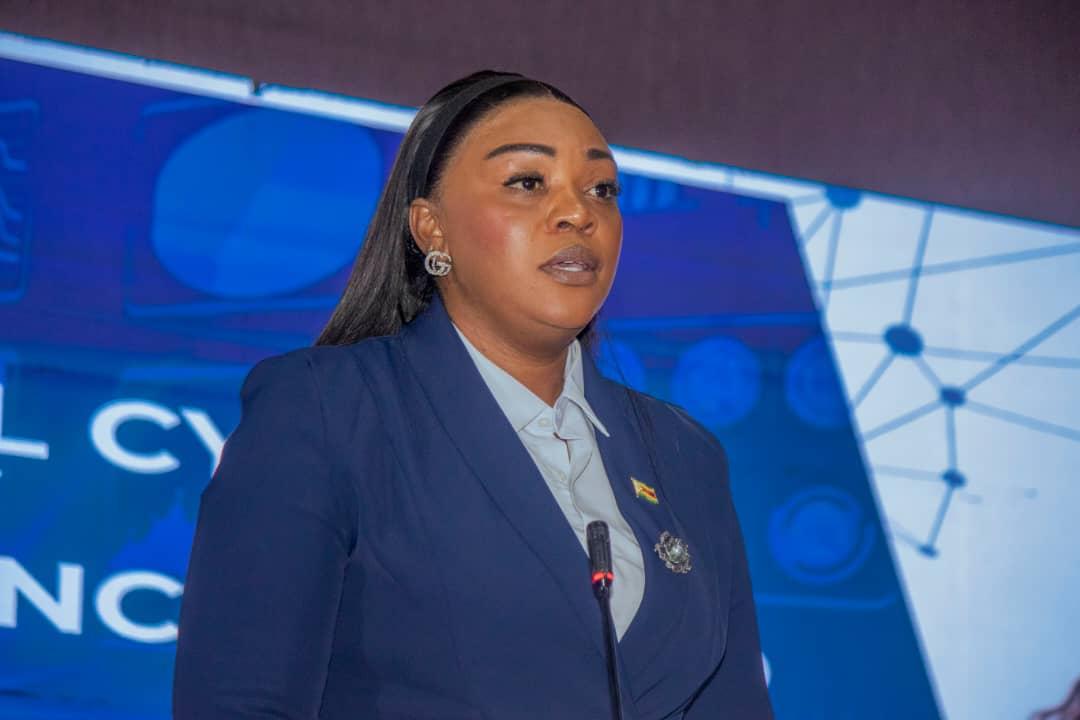
The proposal was announced by ICT Minister Tatenda Mavetera during an address in Karoi on Sunday. According to the minister, the main goal of the proposed policy is to protect young people from various online risks, including cyberbullying, exposure to inappropriate content, and digital exploitation.
Mavetera explained that restricting minors from these platforms could help create a significantly safer digital environment for Zimbabwe’s children while authorities work on stronger regulations and online protection systems. The government believes the move could reduce harmful online experiences that many young users face on global social media platforms.
However, the announcement has already sparked a national debate. Supporters of the proposal argue that limiting children’s access to social media is a necessary step to safeguard their mental health and overall well-being in an increasingly digital world.
Critics, however, believe that a complete ban may not be the most effective long-term solution. They argue that improving digital literacy, parental supervision, and education on responsible internet use would better equip young people to navigate online spaces safely without restricting their digital freedoms.
As discussions around the proposal continue, the issue is expected to remain a major talking point across Zimbabwe, raising important questions about how governments should balance child protection with access to digital technology in the modern age.