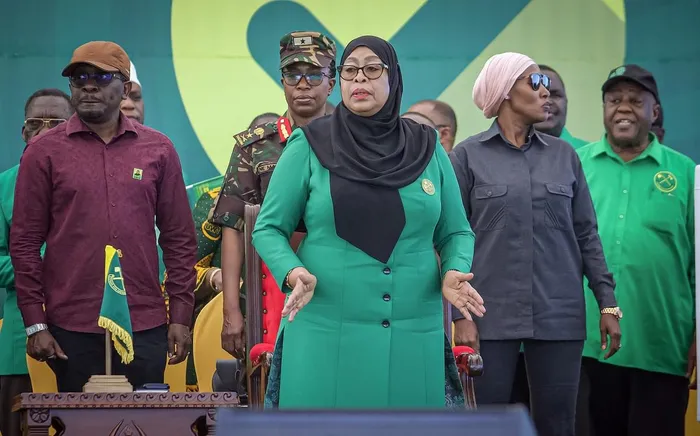
In a detailed preliminary report released by the SADC Electoral Observation Mission (SEOM), the regional body expressed deep reservations about the credibility of the election, which saw President Samia Suluhu Hassan declared the winner with 98% of the vote. The overwhelming margin of victory, combined with widespread allegations of voter suppression and irregularities, has drawn criticism from both regional and international observers.
According to the SEOM report, election monitors documented multiple incidents of intimidation targeting opposition candidates, independent journalists, and civil society groups. In several regions, opposition rallies were reportedly disrupted by security forces, while activists who attempted to monitor the vote count were detained or denied accreditation. The report also highlighted that media coverage during the election period was heavily biased in favor of the ruling party, restricting citizens’ access to balanced political information.
The mission further noted that the National Electoral Commission’s handling of the results lacked transparency. Observers cited reports of polling stations closing early, delayed vote counting, and restricted access to results collation centers — all of which contributed to an atmosphere of mistrust and frustration among voters.
SADC’s findings have reignited calls for electoral reform in Tanzania. Human rights organizations and opposition leaders have urged the regional body to push for stronger democratic safeguards to ensure future elections are free, fair, and credible.
In response to the report, Tanzanian government officials dismissed the allegations, defending the election as peaceful and transparent. They argued that isolated incidents should not overshadow what they described as the will of the people, adding that the government remains committed to democratic governance and regional cooperation.
However, the SADC mission’s statement represents a rare and significant public rebuke of a member state’s electoral process. Analysts say this marks a shift in the bloc’s traditional reluctance to criticize internal affairs, signaling growing concern over democratic backsliding in parts of the region.
The report concludes by urging Tanzanian authorities to engage in open dialogue with opposition parties, strengthen media freedoms, and review the electoral framework to align it with SADC’s Principles and Guidelines Governing Democratic Elections.
As the dust settles, the controversy surrounding Tanzania’s 2025 election continues to deepen. For many citizens and observers, the SADC assessment serves as both a wake-up call and a crucial test of the region’s commitment to upholding democracy and accountability.