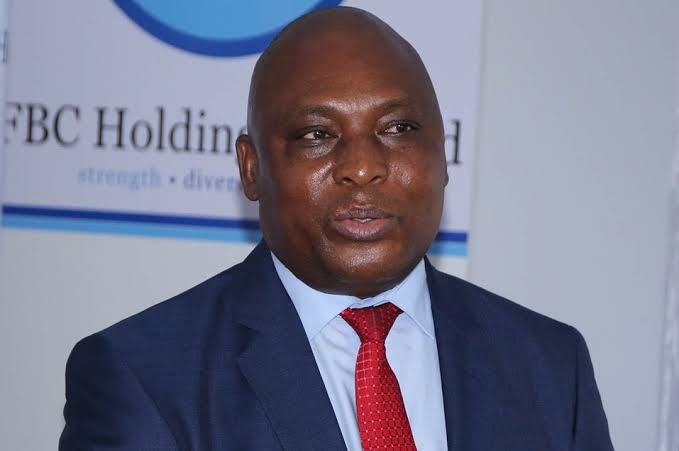
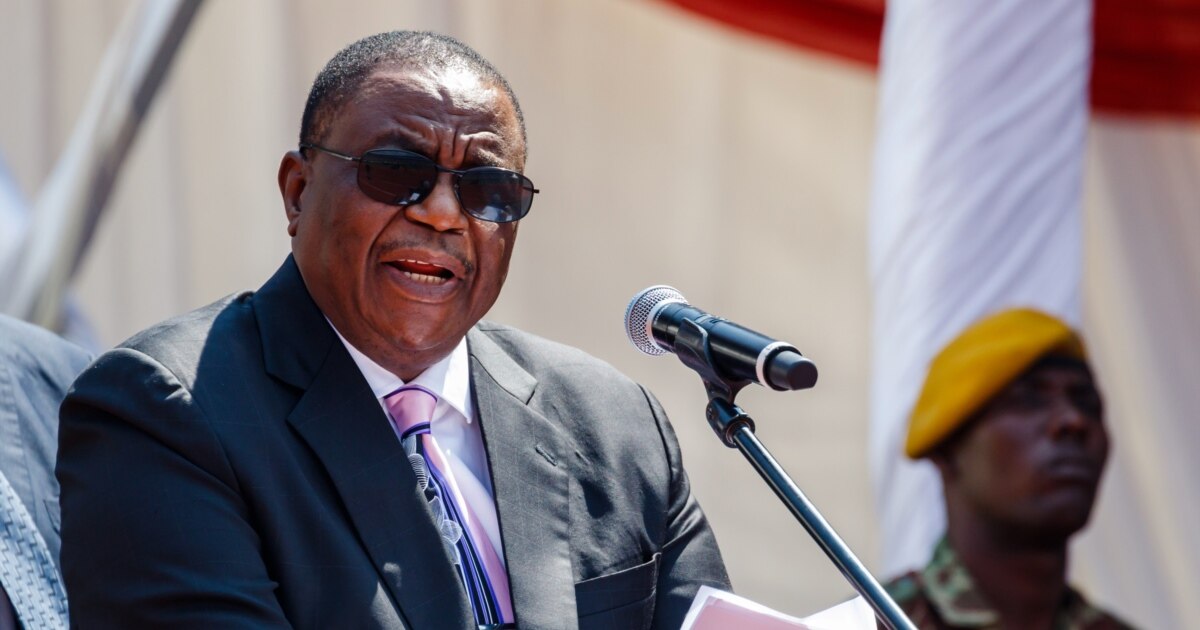
President Emmerson Mnangagwa’s future within Zanu PF has come into focus as his faction reportedly prepares revised constitutional amendments that could extend his leadership of the ruling party until 2030.
The proposed changes come amid growing political tensions over succession, with Vice-President Constantino Chiwenga widely viewed as a key figure in discussions surrounding the party’s future leadership.
The latest proposals reportedly follow an earlier plan that became known as the “Nyerere Way”, named after former Tanzanian president Julius Nyerere, who stepped down as head of state in 1985 but remained leader of the ruling party until 1990.
Under that earlier proposal, Mnangagwa could have remained president of Zanu PF while the party selected another candidate to contest the 2030 presidential election.
Revised plan could postpone 2027 congress
According to political analyst Ibbo Mandaza’s associate and researcher, Zamchiya, Mnangagwa’s faction is preparing a revised package of constitutional amendments for consideration at a series of party meetings scheduled for October.
The proposals are expected to be discussed by the Zanu PF Politburo on October 13, followed by the Central Committee on October 14, before consideration at the party’s annual conference in Chinhoyi from October 15 to 17.
Among the reported changes is a proposal to extend the term of the Zanu PF president from five years to seven years.
The package also reportedly includes postponing the party’s elective congress from 2027 to 2030.
If adopted, the changes would allow Mnangagwa to remain Zanu PF president and first secretary until at least 2030 without facing the leadership renewal process currently scheduled for 2027.
Chiwenga succession question remains central
The proposed amendments could have significant implications for the succession debate within Zanu PF, particularly regarding the position of Vice-President Constantino Chiwenga.
Chiwenga, a former military commander who played a prominent role in the events leading to the removal of Robert Mugabe in 2017, is an influential figure within the ruling party.
Any move to extend Mnangagwa’s tenure as party leader could affect the timing and process through which potential successors seek to assume leadership.
The reported proposals have therefore placed renewed attention on internal party dynamics, constitutional procedures and the future direction of Zimbabwe’s governing party.
Party meetings expected to shape next steps
The Politburo, Central Committee and annual conference meetings are expected to be important stages in determining whether the proposed amendments receive support within Zanu PF.
However, the proposals remain subject to the party’s internal decision-making processes, and their final form will depend on the outcome of those deliberations.
The developments also raise broader questions about the relationship between the leadership of Zanu PF and the country’s presidential succession process.
Any changes to party rules would need to be distinguished from changes to Zimbabwe’s national Constitution, which governs presidential terms and the procedures for electing the country’s head of state.
As the party prepares for its scheduled meetings, the succession question is likely to remain a major issue in Zimbabwean politics.
#Zimbabwe #ZanuPF #EmmersonMnangagwa #ConstantinoChiwenga #ZimbabwePolitics #PoliticalNews