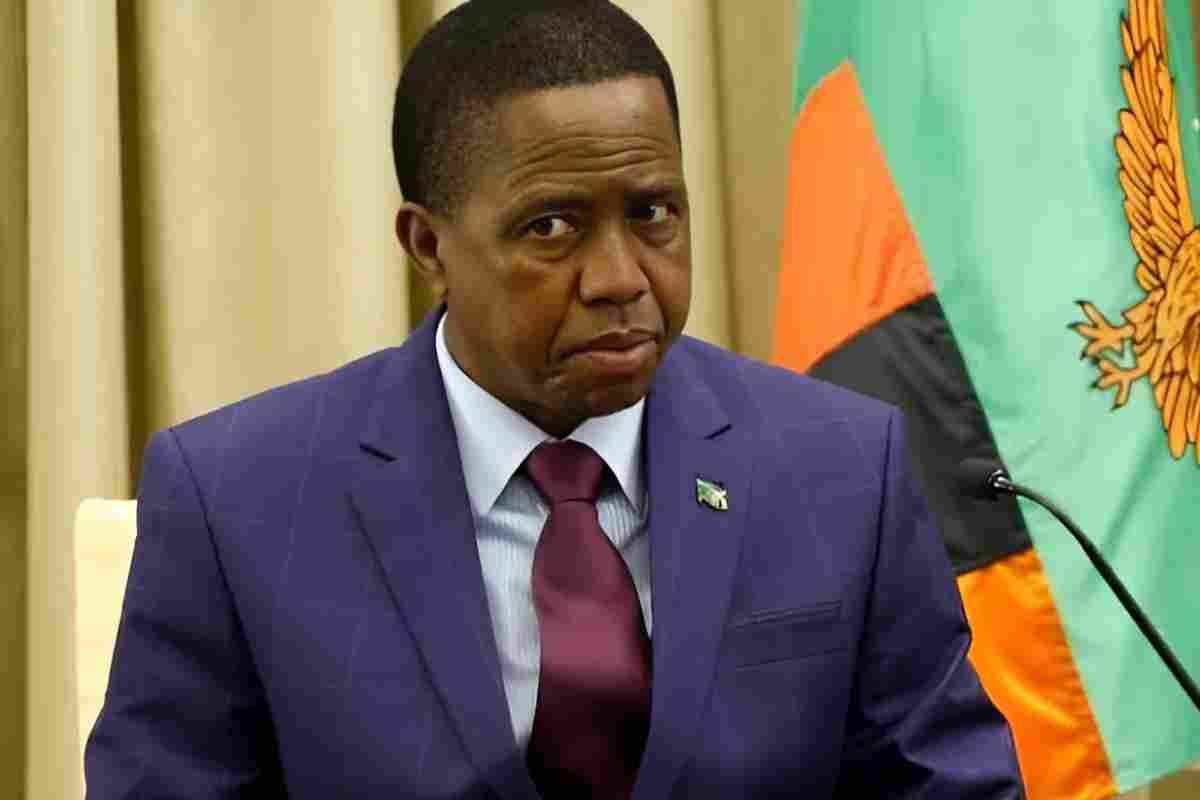
Dalisto Lungu, the son of late former Zambian President Edgar Lungu, has forfeited property valued at more than $1.26 million to the Zambian government after a ruling by the Economic and Financial Crimes Court (EFCC). The court determined that the assets in question were proceeds of crime, marking a significant development in Zambia’s ongoing efforts to combat corruption and illicit wealth accumulation.
According to court findings, the confiscated assets include an extensive fleet of 79 vehicles, more than 20 parcels of land located across different parts of Zambia, and a petrol station. The scale and diversity of the assets drew scrutiny from investigators, who questioned how they were acquired.
The EFCC stated that during proceedings, Dalisto Lungu failed to provide sufficient evidence demonstrating a legitimate source of income or any substantive business activities capable of generating the level of wealth reflected in the properties. Prosecutors argued that the absence of verifiable income streams or financial records to support his claims strengthened the case for forfeiture under Zambia’s financial crime laws.
In his defense, Lungu maintained that the assets were lawfully acquired and denied any wrongdoing. However, the court ruled that the explanation provided did not adequately account for the substantial value of the properties. As a result, the assets have now been officially forfeited to the state.
The ruling is seen as part of a broader national push to recover assets believed to have been obtained through corruption or illicit financial activities. Zambia’s authorities have in recent years intensified investigations into high-profile individuals as part of efforts to strengthen accountability and restore public trust in institutions.
The case has attracted significant public interest, given Dalisto Lungu’s family ties to the former head of state. Supporters argue that due process must be respected and that the courts should be the final arbiters in such matters. Critics, however, say the ruling demonstrates that no one is above the law, regardless of political connections.
With the assets now under state control, attention turns to whether further legal proceedings or appeals may follow. For now, the judgment stands as one of the most high-profile asset forfeiture decisions involving a politically connected individual in Zambia in recent years.