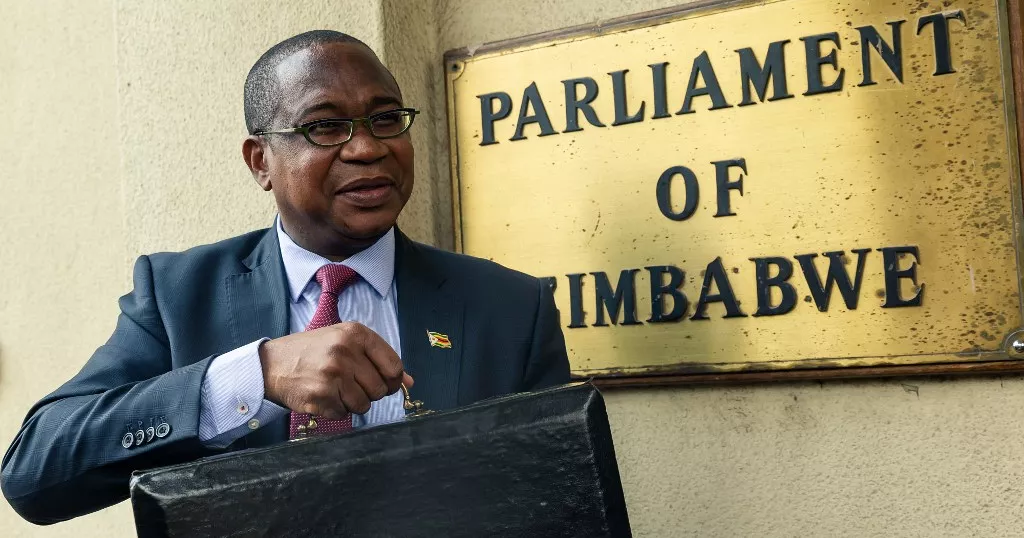
Finance Minister Mthuli Ncube has officially confirmed that the Government of Zimbabwe has acquired the Monomotapa Crowne Plaza Hotel in Harare, a decision aimed at providing accommodation for Members of Parliament (MPs) during parliamentary sittings. The move marks a significant shift in how the government manages the logistics and expenses related to hosting legislators in the capital city.
According to Minister Ncube, the purchase of the iconic five-star hotel is part of a broader cost-reduction and asset ownership strategy under the government’s infrastructure and expenditure rationalization plan. By owning accommodation facilities in Harare, the government hopes to minimize long-term costs associated with hotel bookings and transport allowances for MPs who travel from various provinces to attend parliamentary sessions.
The Monomotapa Crowne Plaza Hotel, one of the city’s most recognizable landmarks, was previously managed under the Crowne Plaza brand — part of the InterContinental Hotels Group (IHG). The facility boasts over 180 rooms, multiple conference spaces, restaurants, and amenities that make it an ideal location for both accommodation and official events.
Speaking to reporters, Ncube emphasized that the acquisition was not merely an expenditure but an investment in national infrastructure that would save the government millions of dollars over time. “We have been spending significant amounts each year on accommodation for MPs and government officials,” he explained. “Owning a property like Monomotapa allows us to channel those funds into a government asset rather than continuous external payments.”
While the government’s announcement has sparked debate among citizens, opinions remain divided. Supporters of the move argue that it demonstrates strategic thinking and long-term planning by the Treasury, which has been under pressure to curb recurrent expenditure. They view the acquisition as a practical solution to persistent accommodation shortages for MPs, especially during extended sittings or special sessions of Parliament.
However, critics have questioned the timing and priorities of the purchase, raising concerns about Zimbabwe’s current economic challenges, including inflation, healthcare funding gaps, and civil servant salary disputes. Opposition figures and civil society leaders have called for transparency regarding the cost of the transaction and the procurement process used to acquire the hotel. Some argue that the funds could have been redirected toward urgent social needs such as hospitals, schools, and infrastructure rehabilitation in rural areas.
In response, government officials have maintained that the purchase was conducted within legal frameworks and aligns with efforts to maximize value for public funds. They also noted that the hotel could continue to generate revenue through selective commercial operations when Parliament is not in session, ensuring that it remains a self-sustaining asset.
The Monomotapa Hotel, strategically located along Samora Machel Avenue and overlooking the Harare Gardens, has historically hosted high-level guests, conferences, and international delegations. Its acquisition by the state symbolizes a new chapter in its legacy — transitioning from a commercial hospitality venue to a government-owned institution supporting the functions of the legislature.
Minister Ncube further stated that the government plans to renovate and rebrand parts of the facility to meet the specific accommodation and administrative needs of Parliamentarians. “This purchase is part of our broader modernization agenda,” he said. “It reflects our commitment to creating a conducive environment for legislators to carry out their duties effectively while ensuring prudent use of state resources.”
As Zimbabwe continues to restructure its state assets and pursue fiscal consolidation, the acquisition of the Monomotapa Crowne Plaza stands as both a symbolic and practical measure — one that blends heritage preservation, economic planning, and political necessity.
More details on the purchase agreement, valuation, and intended upgrades are expected to be released in the coming weeks as the government finalizes administrative procedures and transitions the property into public ownership.