Tanzania’s President Samia Suluhu Hassan has officially secured another term in office after being declared the winner of the country’s presidential election, a result that has sparked both celebration among her supporters and widespread unrest across the nation.
According to the Tanzania Electoral Commission, President Samia won by a staggering margin, claiming 98% of the 32 million votes cast in Wednesday’s election. The landslide victory cements her position as one of the most dominant political figures in Tanzania’s modern history — but it has also triggered intense debate, with opposition leaders and international observers raising serious concerns about the credibility of the vote.
The election took place amid mounting political tension and economic anxiety, with citizens demanding reforms and more accountability from government institutions. Reports from several regions — including Dar es Salaam, Arusha, and Mwanza — suggest that the days leading up to and following the vote were marred by violent clashes, leaving hundreds dead and many others injured. Protesters, largely made up of young Tanzanians, took to the streets accusing authorities of voter suppression, intimidation, and ballot manipulation.
International human rights organizations and election observers have voiced alarm over the situation. Several monitoring groups noted that transparency during the counting process was limited, with restricted media access and arrests of opposition figures further fueling suspicions of electoral irregularities. The European Union and the African Union are reportedly preparing official statements, urging calm while calling for an independent review of the electoral process.
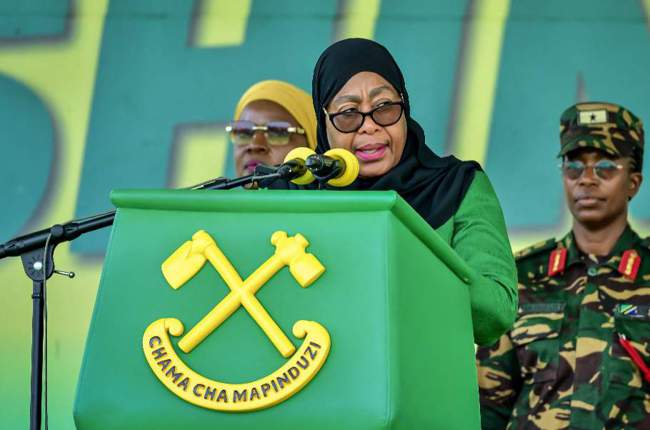
President Samia, who first assumed office in 2021 following the passing of her predecessor John Pombe Magufuli, has portrayed her victory as a sign of confidence from the Tanzanian people. In her post-election speech, she thanked citizens for their “continued trust and unity,” promising to maintain peace, strengthen the economy, and ensure social welfare for all. However, opposition parties and civil society groups have rejected the results, describing the election as a “sham” and calling for international intervention.
Analysts say this election marks a pivotal moment for Tanzania’s democracy. While President Samia has been praised for efforts to rebuild diplomatic relations and revive the tourism and energy sectors, critics argue that her administration has fallen short on human rights and political freedoms, with continued restrictions on dissent and media.
As tensions remain high in key cities, the Tanzanian government has urged citizens to remain calm and respect the rule of law. Security forces have been deployed to maintain order, though reports of excessive force have emerged from multiple regions.
The world now watches closely as Tanzania enters a new chapter under President Samia’s leadership — one shadowed by questions of legitimacy, but also by the enduring hope among citizens for stability and progress in the years ahead.ional observers have expressed concern over the lack of transparency and widespread turmoil that has reportedly left hundreds people dead and hundreds injured.