
A Landmark Innovation in African Engineering
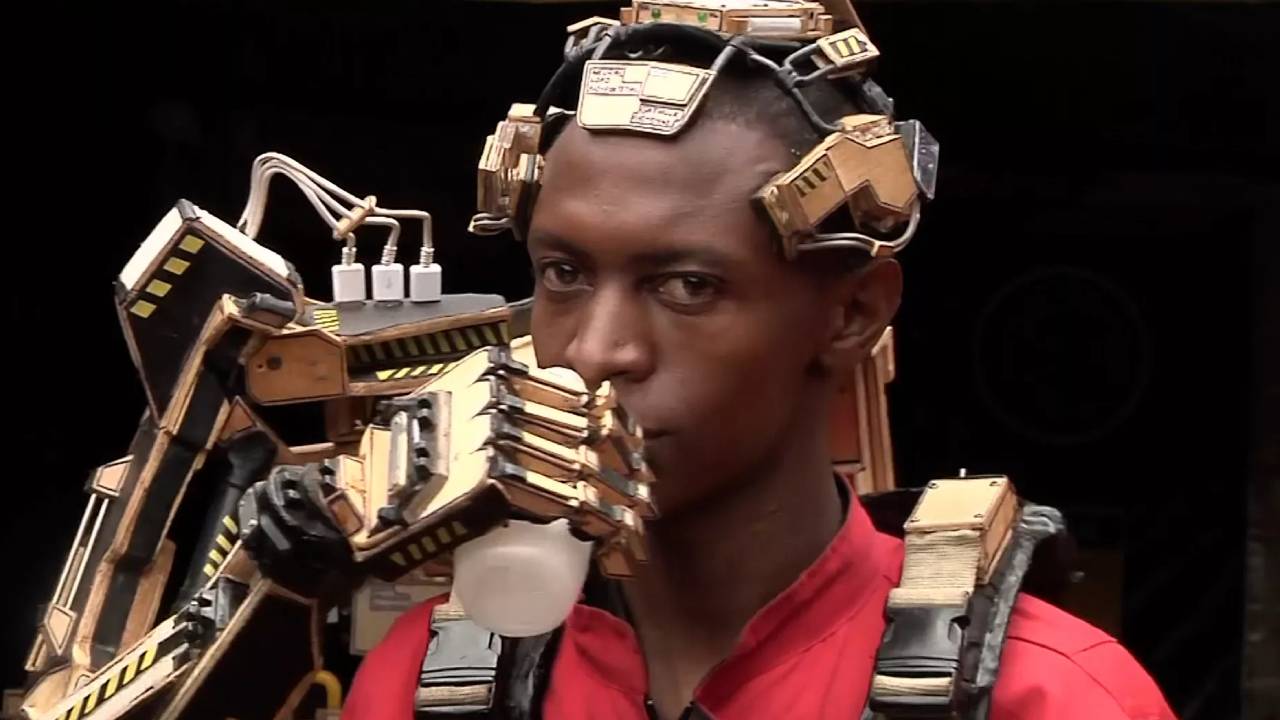
In 2021, Kenyan inventors David Gathu and Moses Kinyua made global headlines with a revolutionary breakthrough — a biorobotic arm powered by brain signals. Their creation not only captured the imagination of scientists and innovators worldwide but also redefined the future of accessible prosthetic technology.
How the Biorobotic Arm Works
The duo’s invention used a biopotential headset to interpret brain activity and convert it into electrical impulses that controlled the artificial arm’s movement. What made the achievement even more extraordinary was that the entire prototype was constructed from recycled materials, making it both sustainable and affordable compared to traditional prosthetic devices.
This innovative approach demonstrated how African ingenuity and resourcefulness could bridge the gap in global health technology, providing hope for individuals in underserved communities who cannot afford high-cost prosthetics.
💡 A Legacy of Ingenuity and Perseverance
Four years later, the project continues to inspire inventors, engineers, and medical professionals worldwide. Although the biorobotic arm has not yet reached mass production, it stands as a powerful testament to determination and innovation, proving that world-changing technology can emerge from local creativity and resilience.
Kenya’s contribution to neuro-controlled prosthetics underscores the country’s growing role in STEM innovation across Africa, paving the way for a future where technology meets compassion.