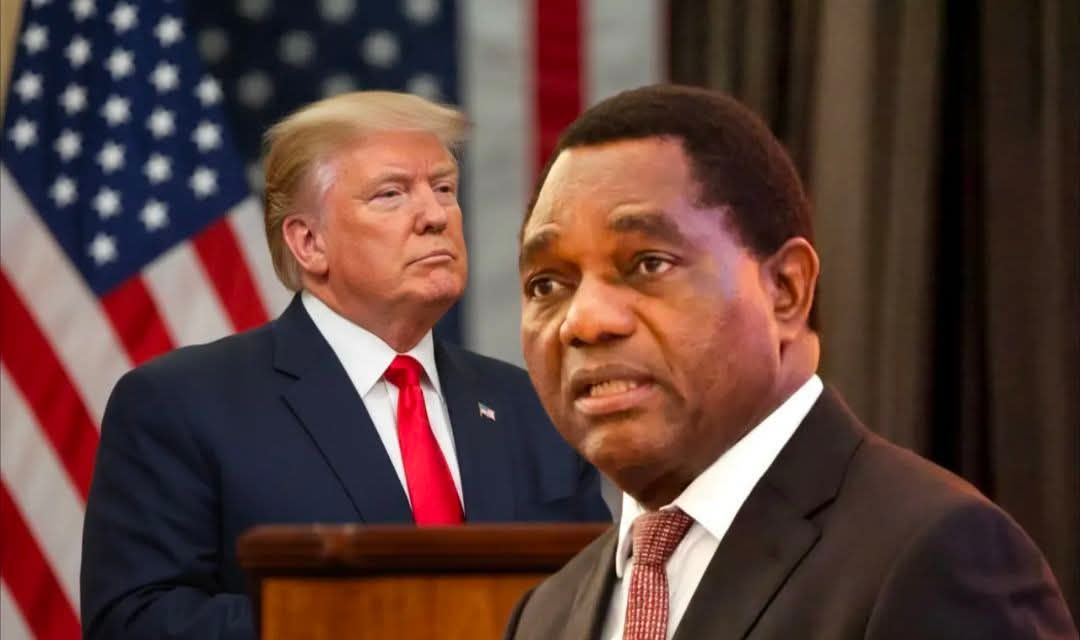
Zambia is currently renegotiating a proposed $1 billion health aid agreement with the United States after raising concerns that certain provisions in the revised draft do not align with the country’s national interests.
The agreement is intended to support Zambia’s fight against major public health challenges, including HIV and malaria. Under the proposed framework, the Zambian government would be required to co-finance approximately $340 million over a five-year period. While the funding promises significant support for the health sector, officials say specific clauses in the updated draft have caused delays in finalizing the deal.
A spokesperson from Zambia’s Ministry of Health confirmed that a section of the revised agreement raised red flags, stating, “This did not align with the position and interests of the government of Zambia.” Authorities have emphasized that Zambia is carefully reviewing the terms to ensure they protect the country’s sovereignty and long-term priorities.
Reports indicate that part of the concern stems from provisions allegedly linking health funding to access to Zambia’s mining sector. This has sparked debate among health advocates and policy analysts, who worry about transparency, data-sharing safeguards, and the broader implications of tying public health assistance to natural resource considerations.
The United States has previously maintained that its foreign assistance programs are structured in ways that align with its national interests. However, Zambian officials have reiterated that the negotiations are focused strictly on health cooperation and that natural resources should not be intertwined with healthcare funding arrangements.
As talks continue, civil society groups and health advocates are calling for greater transparency around the agreement’s terms. They stress that any partnership must prioritize the health and wellbeing of Zambians, ensuring that critical funding for HIV, malaria, and other public health challenges remains free from unrelated strategic interests.
The outcome of the renegotiations will likely shape not only Zambia’s health financing landscape but also set an important precedent for how development partnerships are structured moving forward.