
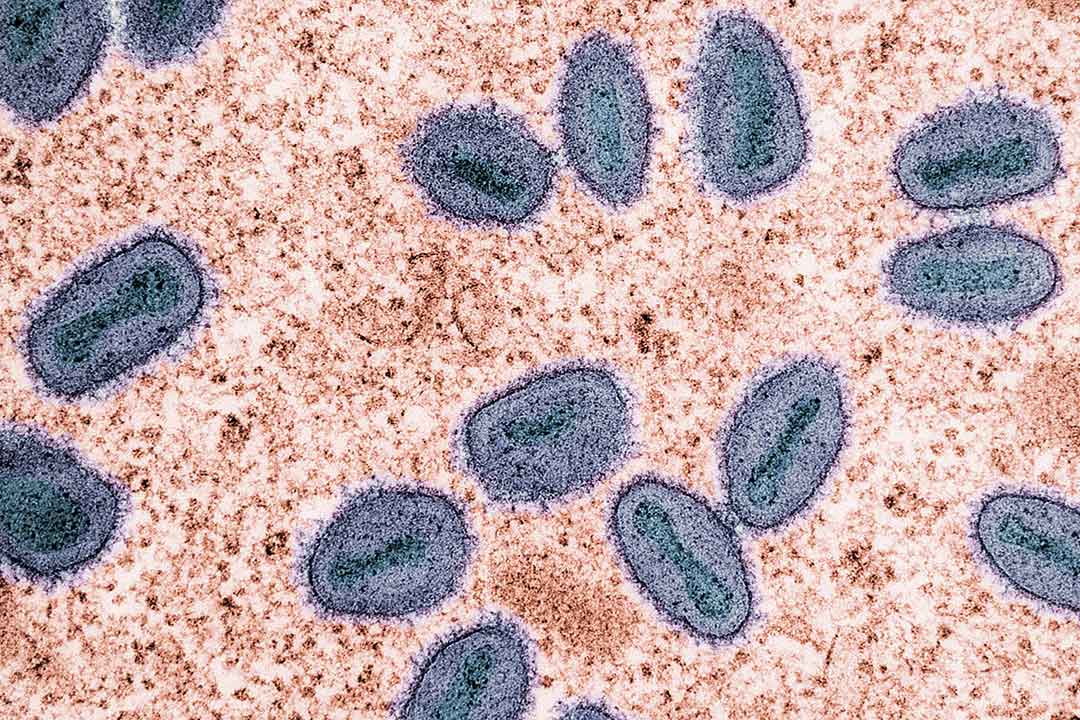
Global health authorities are closely monitoring a fast-spreading influenza A strain known as the “Super-K” flu, even as the World Health Organization (WHO) officially declared the end of the Marburg Virus Disease (MVD) outbreak in Ethiopia.
The “Super-K” flu, a subclade of the H3N2 influenza family, has raised concern after emerging much earlier than the usual seasonal flu period. Australia has been particularly affected, reporting more than 457,000 cases. Health experts say the unusually high number of infections at this stage of the year signals a potentially severe flu season ahead.
Researchers from Australia’s national science agency, CSIRO, have identified multiple mutations in the strain that make it harder for standard antibodies to bind effectively to the virus. This so-called “mismatch” reduces the effectiveness of immunity gained from previous infections and may limit the protection offered by existing flu vaccines. As a result, the strain is spreading more rapidly through communities.
Health officials are urging the public to remain vigilant by practicing basic preventative measures such as regular handwashing, staying home when ill, and seeking medical care if symptoms worsen. Authorities are also closely reviewing vaccine formulations to assess how well they match the circulating strain.
Meanwhile, in a separate development, the WHO and Ethiopia’s Ministry of Health announced on January 26, 2026, that the Marburg Virus Disease outbreak has officially ended. The outbreak, which began in late 2025, recorded 19 confirmed cases and 14 deaths, reflecting a case fatality rate of approximately 64 percent.
Marburg is a highly infectious viral hemorrhagic fever similar to Ebola, and the outbreak had sparked serious concern among global health agencies. The declaration marks the successful containment of the virus following intensive surveillance, contact tracing, and community response efforts.
While the end of the Marburg outbreak is a significant public health milestone, experts caution that the emergence of the “Super-K” flu serves as a reminder of the ever-evolving nature of infectious diseases and the importance of continued global preparedness.