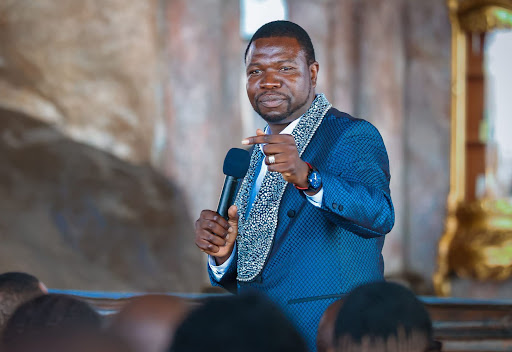
The Zimbabwe Republic Police (ZRP) has confirmed the arrest of Prophet Walter Magaya, the founder and leader of Prophetic Healing and Deliverance (PHD) Ministries, on serious allegations of rape and fraud. The development has sent shockwaves across Zimbabwe and beyond, given Magaya’s influential standing in both the religious and business sectors.
According to official police reports, the charismatic preacher was taken into custody following formal complaints lodged by alleged victims, with investigations now underway. The police have stated that they are treating the matter with “the utmost seriousness,” and that Magaya will be afforded due process in line with Zimbabwean law.
While ZRP has not yet released full details surrounding the nature of the allegations, sources close to the investigation suggest that the charges involve incidents that reportedly occurred over a period of time, and may also include financial improprieties linked to some of Magaya’s church-related ventures. Authorities have reportedly gathered evidence and witness statements as part of the ongoing inquiry.
Magaya, one of Zimbabwe’s most well-known and controversial religious figures, has faced public scrutiny before. Over the years, he has been both praised for his philanthropic efforts and criticized for the conduct of his ministry, which has grown into one of the largest Pentecostal movements in the region. His church, PHD Ministries, has drawn thousands of followers weekly, both locally and internationally, with services known for dramatic “miracle” healings and high-profile deliverance sessions.
This latest development, however, marks one of the most serious legal challenges the prophet has ever faced. Social media platforms have since been flooded with mixed reactions — some expressing disbelief and calling for patience until the full facts are revealed, while others are demanding accountability and transparency from both Magaya and church leadership.
ZRP has appealed to the public to allow the legal process to unfold without interference or speculation, warning against the spread of misinformation that could jeopardize the case. Meanwhile, legal experts note that if the charges are proven in court, they could have severe legal and reputational consequences for both Magaya and his church.
At the time of reporting, Prophet Magaya remains in police custody as detectives continue their investigations. His legal team is expected to apply for bail in the coming days. Neither Magaya nor PHD Ministries have issued an official statement addressing the arrest, though insiders suggest the church is preparing a public response.
The arrest of such a prominent religious figure highlights the increasing willingness of authorities to pursue high-profile cases, regardless of social or political influence. It also reignites national debate about the role of power, influence, and accountability within Zimbabwe’s growing prophetic movement — a sector that has often blurred the line between faith, fame, and fortune.
As the case unfolds, all eyes are on the courts to see how justice will take its course in what is already shaping up to be one of the most closely watched legal sagas in Zimbabwe this year.